

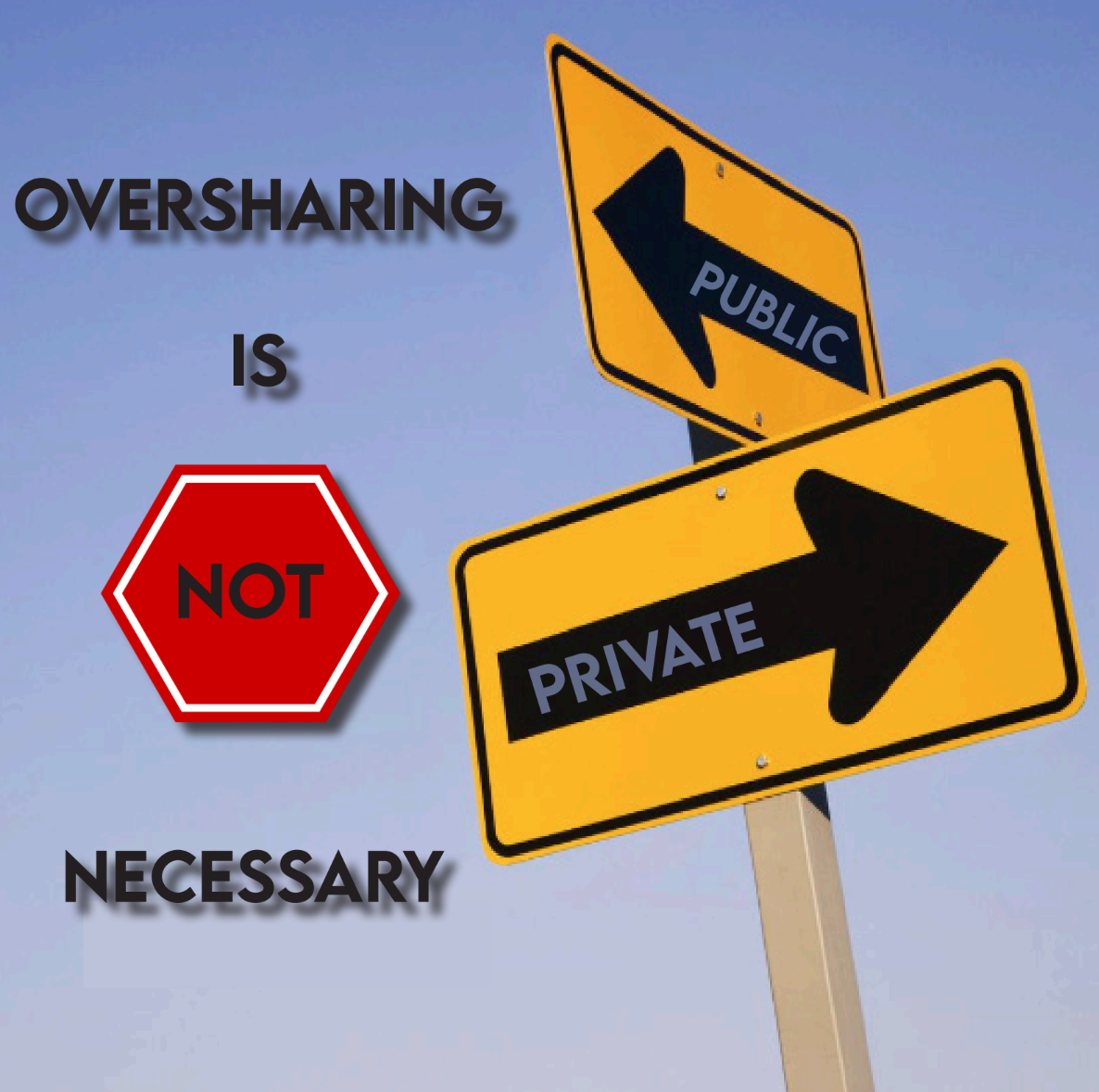
There was a time when keeping a diary meant sliding it under your bed, locking it up and hoping no one found the key. Now, we willingly publish our thoughts, locations, arguments and emotions to hundreds of people with one tap of a “My Story” button. On Snapchat especially, the line between private and public has become so blurred that oversharing feels ordinary. But just because we can post everything does not mean we should.
Snapchat creates the illusion of privacy. Posts disappear and stories last only 24 hours. Private stories feel “exclusive.” But temporary does not mean invisible. Screenshots exist. Screen recordings exist. People talk. What feels like a controlled audience can quickly turn into an uncontrolled narrative. A private story of 15 “close friends” is still 15 separate people who can misunderstand, judge or repeat what you share.
Private stories, in particular, provide the opportunity for a form of curated vulnerability. They are often used to vent about drama, post inside jokes, share relationship problems or have an emotional meltdown in real time. It feels more comfortable because it is not “everyone.” Yet, the reality is that sharing personal conflict, whether it is with a friend, a breakup or family problems, never actually solves the issue. Rather, it transforms a private issue into public commentary.
Additionally, there is the pressure of oversharing. Once you gain a reputation for always having updates, people start to expect it. You begin to perform your emotions rather than work through them. Rather than texting one trusted friend, you share with dozens. Rather than resolving a conflict, you take to social media for emotional rants. Suddenly, your private life becomes open to the critiques of everyone around you.
Oversharing on Snapchat can also impact reputation in ways people do not consider. Colleges, employers, coaches and even peers form impressions based on digital behavior. While Snapchat feels informal and temporary, screenshots can last forever. A heated rant today can become a lasting digital footprint tomorrow. Privacy settings do not protect you from poor judgment.
Most importantly, remaining in a state of constant public vulnerability can devalue actual intimacy. Not everyone needs to know about your toughest days. Not all your thoughts require validation in the form of views or replies. Actual intimacy occurs through conversations, not comments.
If everything is to be shared publicly or semi-publicly, there is less space for actual, intentional trust-building.This is not to say that you cannot share anything at all, but some moments are better kept between you and the people in your life who truly matter.